
Keeping a home consistently clean can feel like an endless task. Many homeowners wonder why surfaces look tidy one day and cluttered again the next.
Understanding how small, consistent cleaning habits affect indoor comfort makes upkeep more manageable. With practical routines, any home can feel fresher and more organized.
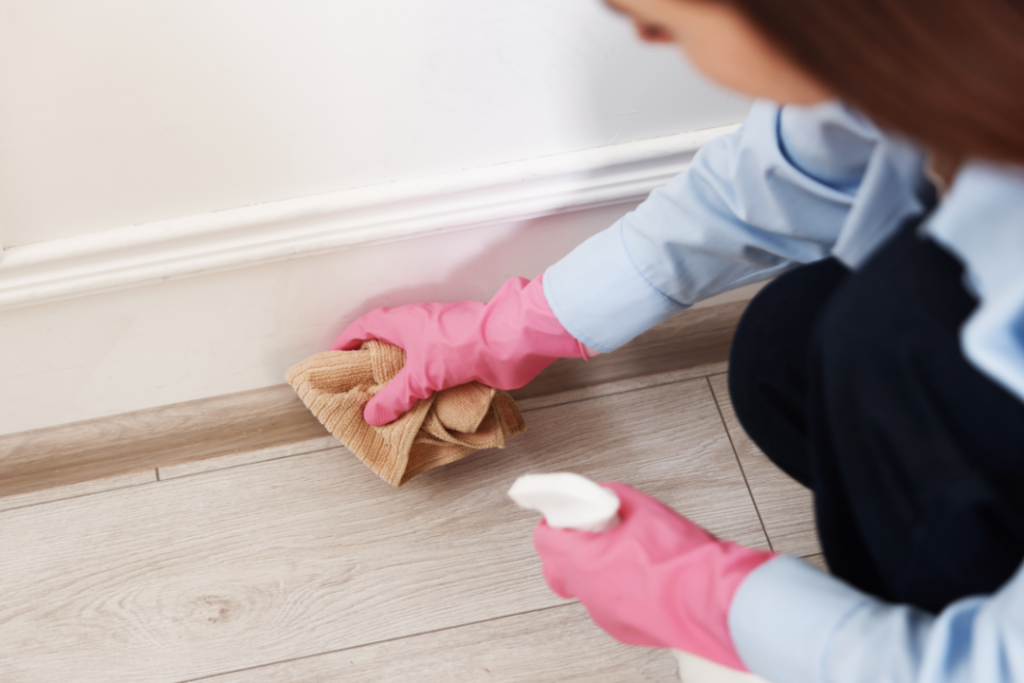
Why Dust and Debris Accumulate
Household dust comes from a mix of indoor and outdoor sources. Everyday activity stirs particles, causing them to settle on furniture, floors, and counters.
Recognizing what contributes to buildup allows homeowners to focus on areas that need attention most.
Everyday Sources of Dust
Common contributors include:
- Fabric fibers from clothing, curtains, and upholstery
- Skin cells shed naturally
- Pet hair and dander
- Soil and debris tracked indoors
- Paper, books, and other small items
Being aware of these sources supports more efficient cleaning routines.
How Air Movement Spreads Dust
Fans, vents, and normal household activity circulate dust throughout rooms. Particles settle in corners and hard-to-reach spaces, making them easy to overlook.
Planning routines around airflow and frequently disturbed areas helps reduce accumulation.
Common Areas of Buildup
Certain areas tend to gather dust and debris faster than others. Homeowners benefit from focusing on these high-traffic and high-contact surfaces.
Surfaces That Collect Dust Quickly
High-accumulation spots often include:
- Ceiling fans and light fixtures
- Window sills and blinds
- Baseboards and trim
- Shelves and decorative surfaces
- Electronics and desks
Occasionally performing a deeper clean helps address buildup in less visible spaces.
Practical Homeowner Habits
Consistent, small habits make a noticeable difference over time. Weekly attention prevents buildup from becoming overwhelming.
Recommended Cleaning Routines
Consider these simple practices:
- Dusting surfaces with slightly damp cloths
- Vacuuming rugs, carpets, and upholstery regularly
- Washing bedding and linens frequently
- Keeping entryways free of debris
- Removing shoes before walking indoors
Tools That Capture Dust Effectively
Using microfiber cloths and high-filtration vacuums traps dust instead of pushing it around, making cleaning more efficient.
Maintaining a Comfortable Home Environment
Long-term comfort relies on routine upkeep. Targeting key areas consistently keeps a home feeling fresh.
Weekly Maintenance Checklist
- Dust high-use surfaces
- Vacuum floors and rugs
- Wipe counters and shelves
- Monitor entryways for tracked-in dirt
Following these habits improves air quality and overall home comfort.
Frequently Asked Questions
Why does dust reappear quickly?
Dust forms continuously and circulates through air, so it naturally resettles.
Do pets make dust worse?
Yes, pet hair and dander significantly contribute to indoor dust levels.
Are some rooms more prone to buildup?
Living rooms and bedrooms often accumulate more due to fabrics and activity.
Can HVAC systems spread dust?
Air systems can distribute particles; cleaning vents and filters helps control dust.
Are microfiber cloths effective for dusting?
Yes, they trap particles instead of scattering them into the air.
How often should surfaces be dusted?
Light weekly dusting is usually sufficient, with occasional deeper cleaning.
Does clutter increase dust?
Clutter collects dust and makes cleaning more challenging.
How do daily habits help?
Small, consistent actions prevent buildup and reduce overall cleaning effort.
Conclusion
Adopting consistent cleaning habits and focusing on high-accumulation areas makes maintaining a comfortable home more manageable. Homeowners can reduce dust and debris while improving air quality through practical routines. For additional tips and guidance, visit Neat and Sweet.
Popup Quote Form
"*" indicates required fields